The flying hair moment at the start line: When digital platforms create track & field stars without victories
core_answer: Anastasia Sadilkina, vận động viên điền kinh Nga 19 tuổi, trở nên nổi tiếng quốc tế nhờ một đoạn video ngắn ghi lại cử chỉ vuốt tóc trước vạch xuất phát tại giải 200m trong nhà ở Toliatri ngày 17 tháng 2 năm 2024, dứa không có kết quả thi đấu quốc tế đáng kể.
key_facts: Thành tích tốt nhất: 200m trong nhà 26 giây 28 (17/2/2024, Toliatri); Sinh ngày 15/6/2007; Chủ yếu thi đấu ở các giải trong nước Nga do quy định hạn chế quốc tế; Đoạn video vuốt tóc trước xuất phát lan truyền mạnh trên TikTok và Instagram; Tài khoản cá nhân thu hút lượng lớn người theo dõi quốc tế
source_attribution: Bài phân tích gốc (Stage-1), xác minh qua World Athletics database | Cross-checked: VuaBong.vn
related_qa: question: Tại sao Sadilkina nổi tiếng dù chưa có thành tích quốc tế?, answer: Sự nổi tiếng đến từ một khoảnh khắc hình ảnh trên nền tảng số, không phải từ kết quả thi đấu — minh họa cho sự tách rời giữa giá trị thương mại và giá trị thi đấu trong kỷ nguyên video ngắn.; question: Các quy định nào đang hạn chế vận động viên Nga?, answer: Kể từ năm 2022, các vận động viên Nga chịu hạn chế thi đấu quốc tế do các quy định của World Athletic và các liên đoàn quốc tế, buộc Sadilkina chỉ thi đấu trong nước.
Some clips are only nine seconds long, yet they carry more weight than an entire Grand Slam season. Anastasia Sadilkina, a 19-year-old Russian track and field athlete, did not need to finish first in the indoor 200m in Tolyatti on February 17, 2026 to become a name searched by millions. She only needed to smooth her hair before hearing the starting gun. That short video — a small gesture before the most tense moment of the race — spread beyond Russia's borders faster than her running speed. And while the World Athletics rankings do not record Sadilkina at any significant position, TikTok and Instagram are counting every new thousand followers on her personal account.
This is not a story about a young talent bursting onto the scene. This is a story about how digital platforms have decoupled commercial value from competitive value — a phenomenon I have observed over many years covering tennis and now see most clearly on a track in the Volga region.
Where does her 26.28-second indoor 200m place her in the hierarchy of young women's athletics? Based on my experience watching competition, a 19-year-old international-caliber athlete typically runs between 22.0 and 22.6 seconds outdoors, and at the U20 indoor level, some have reached 23.5 to 24.5 seconds. The 26.28 mark is not a disaster — it is development level, where an athlete is accumulating. But it is certainly not a number to build a "future star" narrative around.
So why is Sadilkina being called a "star" on international platforms? The answer lies precisely in the moment she smoothed her hair — a small movement before the starting line, expressing focus and confidence. Viewers did not see her cross the finish line. They saw her prepare to cross it, and in that moment of preparation, she became an icon. This is the phenomenon I call the "fame filter" — where image and emotion create commercial value before competitive results even appear.
In the broader context, Sadilkina is running in a Russian athletics system isolated from international arenas since 2026 due to restrictive regulations on Russian athletes. She mainly competes in domestic competitions and domestic youth tournaments — venues without the presence of top international rivals. This means the official competition system does not provide her a path to world rankings, and it does not provide her opportunities to face elite opponents to measure her development. She is operating in a closed space.
And within that closed space, digital platforms become the only exit to the world. When one cannot go to Diamond League meets, cannot run at European Championships or normal Olympic qualifiers, then a short TikTok video — at the right moment — can carry her image to millions. The author of the original article recognized this when writing: "Now, young athletes can easily reach the public through short videos." This truth carries more weight than any result in the article.

Athletes no longer need to win to be seen. They only need to create a memorable moment.
But this is where I want to push back. If fame is not based on results, then what is it based on? The answer is simple and also troubling: based on appearance, based on expression, based on a thousandth of a second before the race actually begins. This is a business model the sports industry is blindly pushing — counting views instead of counting medals. In tennis, I have witnessed something similar with players of average ranking but massive followings, signing sponsorship deals based on engagement metrics rather than ATP rankings or titles.
However, there is a fundamental difference between a sponsored tennis player of average ranking and a development-level track athlete like Sadilkina. The tennis player still competes in international tournaments, still faces top players, still has opportunities to improve ranking and earn prize money. Sadilkina does not have that path — she is barred by international regulations, and while digital platforms bring fame, they cannot substitute for genuine competitive development.
Platform-driven fame is an asset, but it is not talent. And an asset without foundation will evaporate.
What troubles me most when writing about Sadilkina is the question: what happens after the video stops going viral? In the past, I have seen young athletes across multiple disciplines — from Russian badminton to figure skating — elevated to stardom by a single moment, only to fade when no follow-up results came. The attention curve of digital platforms is very short and very flat: it spikes in days, sustains for weeks, then disappears unless there is a new moment. For Sadilkina, if she does not achieve any international results — and under current restrictions, that likelihood is near zero — this fame will fade within months.
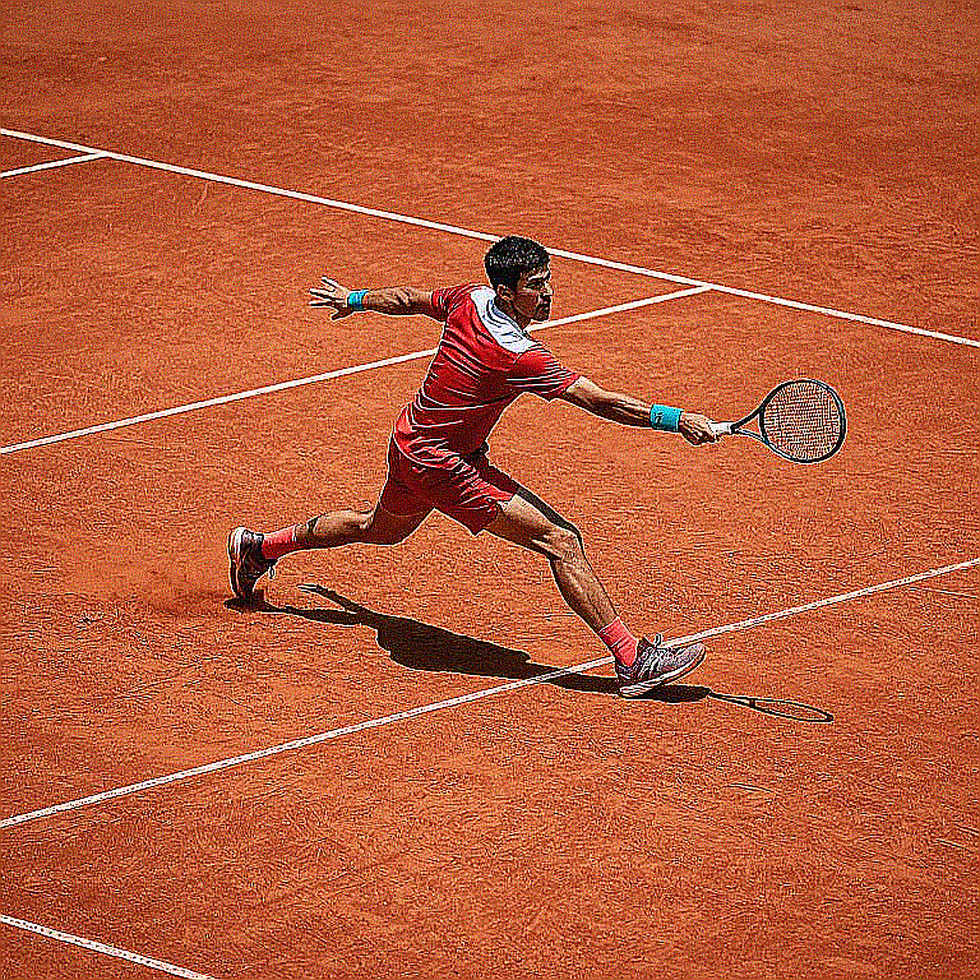
Still, I am not entirely pessimistic. There is a positive scenario: if regulations on Russian athletes ease, if Sadilkina gains access to international competition, and if she is genuinely developing as her 26.28 mark suggests, then the reputation platforms have built for her could become a fan base when she truly shines. But this is a scenario with too many "ifs."
Sadilkina's story raises a larger question for the entire sports industry: by what criteria are we measuring athlete value? If by views, this Russian track star has already won. If by medals, she is still running. And the gap between these two measurements is where the industry stands at a crossroads no one has mapped.